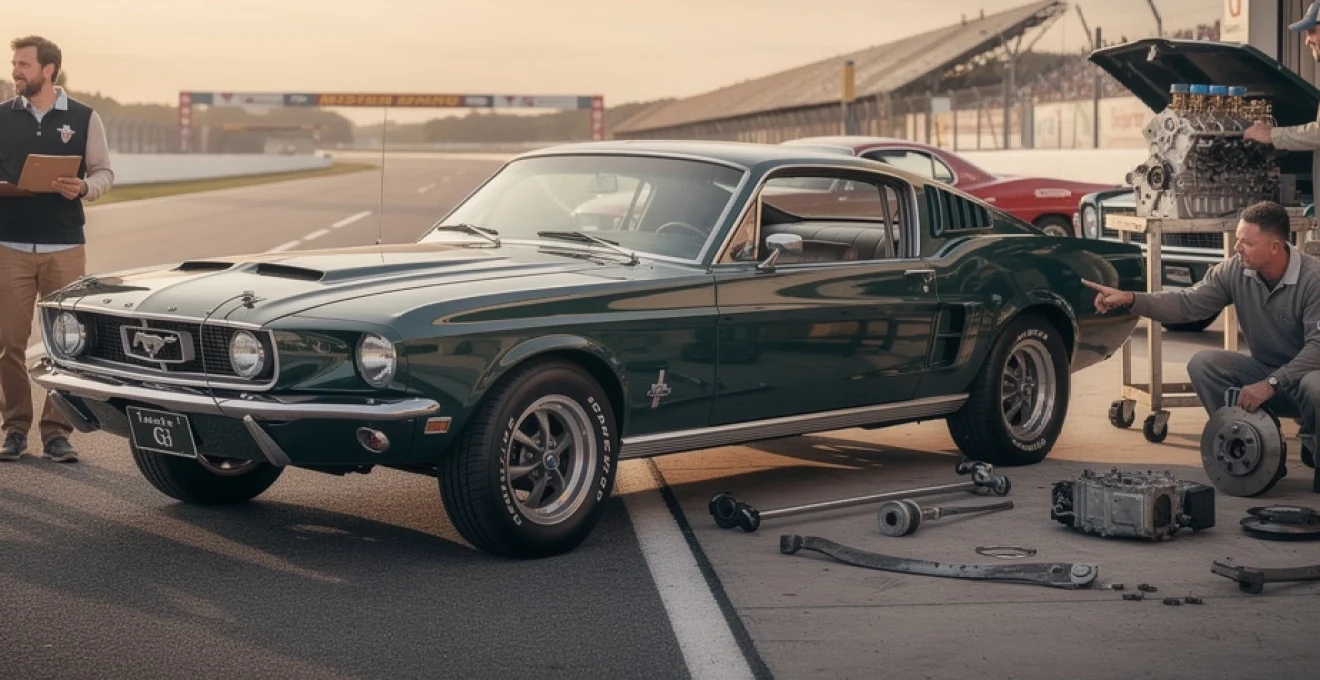
The 1967 Ford Mustang fastback occupies a rare place in automotive history, bridging the gap between nimble mid‑sixties pony car and full‑blooded American muscle icon. With its long bonnet, sweeping roofline and squat, purposeful stance, it captured the imagination of a generation and still shapes how enthusiasts picture a classic Mustang today. For many, the 1967 fastback is the perfect blend of style and raw performance: civilised enough for daily driving, yet ferocious when the big‑block V8s wake up. If you are considering buying, restoring or simply understanding this car in depth, the 1967 fastback offers a masterclass in how design, engineering and culture can combine to create a legend.
1967 ford mustang fastback in context: evolution from the 1965–1966 pony car to late‑sixties muscle icon
By 1967, the Mustang story had already transformed Ford’s fortunes. Early 1965–1966 cars defined the pony car formula: compact dimensions, affordable price and lively small‑block V8 performance. However, rivals arrived quickly. Chevrolet launched the Camaro, followed by Pontiac’s Firebird and Dodge’s Charger, all pushing the market towards larger engines and more aggressive styling. The 1967 Ford Mustang fastback represented Ford’s answer: a more mature, muscular interpretation that could house serious power while preserving the everyday usability buyers loved. The result was a car that moved beyond mere youth‑oriented coupé into a genuine muscle car benchmark.
Key styling revisions in 1967: extended wheel arches, concave tail panel and fastback roofline redesign
Visual changes for the 1967 Mustang fastback went far beyond a mild facelift. Extended wheel arches and a wider track gave the car a broader, more planted footprint, instantly distancing it from the slender 1965–1966 models. The concave tail panel with larger rear lamp clusters emphasised width and added visual drama at night. Most iconic was the reworked fastback roofline, flowing cleanly into the tail with a longer rear deck. This redesign made the car look in motion even when parked and improved access to the rear cargo area. If you stand a 1966 and a 1967 fastback side by side, the later car appears tougher, lower and more assertive, perfectly mirroring the late‑sixties appetite for performance.
Expansion of engine bay architecture to accommodate FE‑series big‑blocks (390 cu in and beyond)
Under the skin, engineers reworked the front structure so the Mustang could accept Ford’s FE‑series big‑block engines. The widened engine bay, altered shock towers and revised inner wings allowed fitment of the 390 cu in V8, paving the way for later high‑performance derivatives. This might sound like a dry packaging exercise, yet it transformed the car’s character. With big‑block torque, the 1967 Mustang fastback moved from brisk coupé to serious drag‑strip contender. The change also provided the basis for the Shelby GT500 and other specialist builds, demonstrating how thoughtful architecture can unlock a platform’s full potential.
Market positioning against chevrolet camaro, pontiac firebird and dodge charger in 1967
The 1967 model year saw intense competition in the American performance market. Chevrolet’s new Camaro offered sophisticated suspension tuning and an array of small‑block and big‑block options. Pontiac’s Firebird added European‑influenced refinement, while Dodge’s larger Charger leaned into full‑size muscle car territory. Ford positioned the 1967 Mustang fastback as the most versatile of the group: compact enough to park in the city, yet configurable from a thrifty six‑cylinder to a 390 GT bruiser. This breadth of specification allowed Ford dealers to tailor cars precisely to budget and taste, from basic commuter transport to high‑performance street machine.
Transition from pony car to muscle car: performance packages, marketing and NHRA influence
Marketing for the 1967 Mustang increasingly emphasised straight‑line performance and racing heritage. Factory GT packages highlighted uprated suspension, dual exhausts and available big‑block power, clearly targeting the emerging muscle car audience. National Hot Rod Association (NHRA) drag racing classifications encouraged manufacturers to homologate potent combinations of engine, gearing and lightweight options. The 1967 fastback benefited from these pressures, with quarter‑mile performance rivalling many full‑size muscle cars. For you as an enthusiast today, this era explains why even a stock‑looking 1967 fastback can deliver such potent, old‑school acceleration when correctly specified.
Chassis, suspension and braking engineering on the 1967 mustang fastback
Unibody construction, front subframe design and cross‑member reinforcement for big‑block torque
The 1967 Mustang retained Ford’s familiar unibody structure, with front and rear subframe sections tied together by the floorpan. To cope with the extra torque of the FE‑series 390 and later engines, Ford strengthened key mounting points and cross‑members. Additional torque boxes were added in front of the rear springs on many V8 cars, reducing flex and improving durability. For you as a buyer or restorer, understanding this unibody layout is critical: hidden corrosion in these structural areas can seriously affect rigidity and safety, especially when combined with modern performance upgrades.
Front coil‑spring and rear leaf‑spring suspension geometry, roll centres and handling characteristics
The 1967 Mustang fastback used a front coil‑spring, upper‑and‑lower control arm layout with a steering linkage mounted behind the cross‑member. At the rear, simple semi‑elliptic leaf springs located the live axle. From a modern perspective this design is basic, yet period road tests praised the car’s predictable handling, especially with the optional handling package. Roll centres were set relatively high at the front, producing noticeable body roll yet progressive breakaway at the limit. Think of it like an old‑school sports shoe: not as sharp or supportive as modern trainers, but full of feel and character if you adapt your driving style.
Drum versus Kelsey‑Hayes front disc brake options, fade resistance and stopping distances
Standard drum brakes on the 1967 Mustang were adequate for everyday use but could struggle under repeated hard stops, particularly with heavier big‑block engines. Optional Kelsey‑Hayes front disc brakes transformed fade resistance and improved wet‑weather confidence. Period tests recorded stopping distances from 60 mph reduced by more than 10% with discs fitted, a substantial gain on contemporary tyres. If you plan spirited road driving, track‑days or historic rally use, front discs are almost essential. Many owners today choose sympathetic upgrades such as larger rotors and modern pads, retaining the classic appearance while significantly improving real‑world safety.
Steering systems: manual recirculating ball steering versus power‑assisted setups
All 1967 Mustangs used a recirculating ball steering box rather than rack‑and‑pinion. Manual steering offered decent feedback but required real effort at parking speeds, particularly with wider tyres. Power‑assisted setups reduced the low‑speed strain yet introduced some vagueness around the straight‑ahead. For a road‑focused restomod, a well‑set‑up power box combined with modern alignment settings can strike a good balance between usability and feel. If you are chasing period‑correct driving sensations, a rebuilt manual box with slightly smaller steering wheel will deliver that authentic, engaging workout on every drive.
1967 ford mustang fastback powertrain options: six‑cylinder to FE big‑block V8
C‑code 289 2‑barrel and a‑code 289 4‑barrel small‑block V8 specifications and performance
The small‑block 289 V8 was the heart of the 1967 Mustang range. The C‑code 2‑barrel version produced around 200 bhp, delivering smooth, flexible performance and impressive reliability. The A‑code 4‑barrel raised output to approximately 225 bhp, with stronger mid‑range and a more urgent top end. On period bias‑ply tyres, 0–60 mph times in the 8–9 second region were common, respectable even by modern standards for a classic. For many enthusiasts, a mild‑tuned 289 offers the sweetest combination of soundtrack, responsiveness and weight distribution, especially if you value agile handling as much as brute force.
S‑code 390 GT (FE‑series) big‑block: holley 600 cfm carburettor, high‑flow heads and torque curve
The S‑code 390 GT was the headline engine option for the 1967 Mustang fastback. Using the FE‑series architecture, it featured a Holley 600 cfm carburettor, high‑flow cylinder heads and a performance‑oriented camshaft. Officially rated at 320 bhp, many believe true output approached 340 bhp with abundant low‑end torque. Contemporary tests recorded quarter‑mile times in the mid‑14‑second range when properly geared, placing the 390 GT firmly in muscle car territory. The trade‑off is extra front‑end weight, which you will feel in tighter bends, but the sheer surge of torque from low revs is deeply addictive on the open road.
Base 200 cu in thriftpower inline‑six: economy‑focused configuration and drivetrain limitations
At the opposite end of the spectrum sat the 200 cu in Thriftpower inline‑six. Designed for economy and low running costs, it delivered around 120 bhp with modest torque. Many six‑cylinder cars were fitted with lighter‑duty drivetrain components, including smaller rear axles and less aggressive final drives. For a city‑based owner in the late sixties this made perfect sense, but for you as a modern enthusiast, a six‑cylinder fastback is often a candidate for V8 conversion. However, if originality matters, a well‑tuned six can still provide charming, relaxed cruising and lower fuel bills compared with a big‑block.
Transmission choices: 3‑speed manual, 4‑speed toploader and C4 Select‑Shift automatic gearboxes
Transmission options for the 1967 Mustang fastback included a basic 3‑speed manual, the highly regarded 4‑speed Toploader and the C4 Select‑Shift automatic. The 4‑speed Toploader is prized today for its strength and precise shift action, coping happily with big‑block torque in both road and competition use. The C4 automatic appealed to buyers seeking ease of use in traffic, and when correctly maintained it offers smooth, reliable service. If you aim to use your fastback regularly in modern conditions, pairing a 289 or 390 with a 4‑speed manual remains one of the most rewarding combinations, with the option of later adding an overdrive conversion for relaxed motorway cruising.
Rear axle ratios, limited‑slip (Equa‑Lok/Traction‑Lok) options and quarter‑mile performance
Rear axle ratios had a profound effect on the 1967 Mustang’s character. Tall gears around 2.79:1 favoured motorway economy, while shorter 3.25:1 or 3.50:1 ratios sharpened acceleration noticeably. Limited‑slip differentials such as Equa‑Lok or later Traction‑Lok units improved traction off the line, particularly with high‑output V8s. On period test tracks, a well‑driven 390 GT fastback with performance gearing could crack the standing quarter‑mile in the mid‑14s at around 95–100 mph. If you plan drag‑strip outings or spirited road use, carefully choosing ratio and differential type will make your car feel either like a relaxed long‑legged GT or a punchy stop‑light sprinter.
1967 mustang GT, GTA and performance option codes: decoding factory specifications
GT equipment group: fog lamps, dual exhaust, handling package and visual identifiers
The GT Equipment Group transformed a regular Mustang into a more focused grand tourer. Key elements included front grille‑mounted fog lamps, dual exhaust with bright chrome tips, power front disc brakes and an uprated handling package with stiffer springs and shock absorbers. Visual identifiers such as GT fender badges and optional side stripes made these cars instantly recognisable. When you encounter a claimed 1967 GT fastback today, checking for the presence of these components—and cross‑referencing factory codes—is essential to confirm authenticity and value, especially as genuine GTs typically command a price premium.
GTA automatic specification: Cruise‑O‑Matic pairing with GT performance components
The GTA designation denoted a GT‑equipped Mustang fitted with the Cruise‑O‑Matic automatic transmission. Mechanically, GTA models shared the same suspension, brakes and cosmetic enhancements as manual GTs but targeted buyers who preferred two‑pedal convenience. Period sales figures indicate that automatic gearboxes were increasingly popular by 1967, particularly in urban areas. Today, a GTA fastback offers an appealing blend of muscle car presence and easy drivability. If you track factory correctness, verifying the original transmission code on the data plate helps distinguish a true GTA from a later parts‑bin conversion.
Interpreting door data plates: body, colour, trim, date, DSO, axle and transmission codes
Every 1967 Mustang carries a data plate on the driver’s door, encoding vital factory information. Body style, paint colour, interior trim, build date, District Sales Office (DSO), axle ratio and transmission type are all represented by concise alphanumeric codes. Learning to interpret these is one of the most powerful skills you can develop as a prospective buyer. It allows you to confirm whether a car left the factory as a V8, a GT or a particular colour combination. For anyone restoring a 1967 fastback, these codes provide the roadmap for returning the car to its original specification, which can significantly increase desirability in the classic Mustang market.
Factory performance options: front disc brakes, competition handling package and tachometer dash
Beyond GT and GTA packages, Ford offered a range of standalone performance options. Front disc brakes could be specified on non‑GT cars, bringing important safety benefits. The Competition Handling Package, though relatively rare, added heavier‑duty springs, shocks and anti‑roll bars, sharpening responses for spirited driving and occasional competition. Inside, the optional Tachometer Dash placed a large, clear rev counter directly in the driver’s line of sight, underlining the car’s sporting intent. If you are hunting for a particularly engaging 1967 Mustang fastback, a combination of disc brakes, handling upgrades and tachometer‑equipped instrumentation delivers a genuinely driver‑focused classic without straying into full race car territory.
Interior, trim levels and factory options unique to the 1967 fastback
Deluxe interior (interior décor group): brushed aluminium appliqués, wood‑grain and consoles
The 1967 fastback’s cabin could be specified in several trim levels, with the Deluxe Interior—or Interior Décor Group—sitting near the top. This package added brushed aluminium or wood‑grain appliqués across the dashboard and door panels, integrated consoles and upgraded seat upholstery. The effect was to move the Mustang upmarket, appealing to buyers who wanted muscle car performance with GT‑car ambience. From a modern perspective, a Deluxe Interior car feels noticeably richer than a base model, especially when carefully restored. If you spend long hours on the road, the extra visual warmth and tactile quality of this specification can make every journey more special.
Fold‑down rear seat and cargo area versatility exclusive to the 2+2 fastback body style
One of the most practical advantages of the 1967 fastback body style is the fold‑down rear seat. Unique to the 2+2 configuration, this system allows the rear backrest to hinge forward, extending the luggage platform into the cabin. For long‑distance touring or everyday tasks, the result is a surprisingly versatile cargo area, far more usable than many modern coupés. If you plan to enjoy European road trips, historic rallies or simply family weekends away, this feature turns the fastback from pure toy into genuinely useful grand touring companion. Many owners report that the fold‑down seat becomes indispensable once experienced.
Safety updates: dual‑circuit master cylinder, padded dash and collapsible steering column
Safety legislation in the late sixties prompted several important updates for the 1967 Mustang. A dual‑circuit master cylinder separated front and rear brake circuits, reducing the risk of total brake failure. The dashboard gained additional padding, and a collapsible steering column was introduced to reduce injury in frontal impacts. These changes might seem mundane, yet they make a tangible difference if you intend to use your car regularly in modern traffic. Combined with seat belts and, ideally, upgraded disc brakes, they help bring safety closer to contemporary expectations while preserving the car’s original charm.
Exterior trim and packages: GT stripes, styled steel wheels, vinyl roof and visibility groups
Exterior options allowed buyers to tailor the 1967 fastback’s look to personal taste. GT side stripes and badging, styled steel wheels and dual exhaust trumpets signalled performance intent, while vinyl roof coverings gave a more luxurious, fashionable appearance. Visibility groups added features such as remote‑adjustable mirrors and better lighting, improving day‑to‑day usability. When assessing a car today, consider how these options affect both aesthetics and value. Many enthusiasts prefer a relatively clean, purposeful look with minimal add‑ons, while others seek the full late‑sixties glamour with brightwork, stripes and period‑correct wheel designs.
Motorsport, cinema and pop‑culture legacy of the 1967 ford mustang fastback
Trans‑am racing and SCCA competition heritage with shelby GT350 and privateer entries
The 1967 Mustang’s motorsport credentials were cemented in the SCCA Trans‑Am series, where Shelby‑prepared GT350s and privateer entries fought intense battles with Camaros and Firebirds. Although the race cars used high‑revving small‑blocks rather than big‑block FE engines, the fastback body style and core chassis architecture were shared with road cars. This competition pedigree still matters today: historic racing grids across Europe and the UK frequently feature 1965–1967 Mustang fastbacks, underlining the platform’s enduring performance potential. If you enjoy track‑days or hillclimbs, a sympathetically prepared 1967 fastback can deliver thrilling, authentic sixties race‑car sensations.
Cinematic fame: bullitt’s 1968 mustang 390 fastback and eleanor from gone in 60 seconds
Arguably, the Mustang’s greatest cultural boost came from cinema. The Highland Green 1968 fastback in Bullitt—although technically a 1968 model with 390 V8—cemented the silhouette of the late‑sixties fastback as the ultimate cool car. Later, the customised “Eleanor” fastbacks from both versions of Gone in 60 Seconds reignited interest in the 1967–1968 body style. While these screen cars differ in detail from stock 1967 examples, they introduced new generations to the iconic roofline, long bonnet and snarling V8 soundtrack. If you feel an emotional pull towards a 1967 Mustang, cinema has probably played a bigger role than you realise.
Global enthusiast scene: mustang owners club of great britain, SAAC and specialist forums
The 1967 fastback enjoys an exceptionally strong global enthusiast community. In the UK, the Mustang Owners Club of Great Britain organises events, technical seminars and shows that attract hundreds of cars, many of them sixties fastbacks. Internationally, organisations such as SAAC (Shelby American Automobile Club) and numerous online forums provide deep technical archives and build diaries. For you as an owner or prospective buyer, tapping into this network offers invaluable support, from decoding build sheets to sourcing obscure trim pieces. The collective knowledge built over decades can save both time and money during a restoration or upgrade project.
Influence on modern design: echoes of the 1967 fastback in S197 and S550 mustang generations
Modern Mustangs continue to reference the 1967 fastback’s styling cues. The S197 generation (2005–2014) reintroduced strong haunches, a long bonnet and a fastback‑inspired profile, explicitly channelling late‑sixties models. The later S550 (2015 onwards) refined these themes with sleeker surfacing yet still evoked the classic roofline and muscular rear quarters. Design studios worldwide frequently cite the 1967 fastback as a benchmark for proportion and stance. If you park a well‑restored 1967 alongside a current Mustang, the familial connection is unmistakable—proof that great design transcends trends and decades in a way few cars manage.
Buying, restoring and upgrading a 1967 mustang fastback in the UK and europe
Assessing bodywork: rust hotspots, cowl panel leaks, torque boxes and chassis rail integrity
For anyone hunting a 1967 Mustang fastback in the UK or Europe, body condition should be the top priority. These cars were never designed for salted roads, and corrosion can be extensive. Common rust hotspots include front and rear chassis rails, torque boxes, floorpans, wheel arches and the rear spring hangers. The cowl panel is notorious: water ingress through failed seams can soak carpets and silently rot the bulkhead. A professional inspection with the car on a lift is essential before purchase. Rust in bolt‑on panels is manageable; extensive structural decay can quickly turn even a cheap car into an uneconomic restoration.
Originality versus restomod: concours‑correct restorations compared with pro touring builds
One of the biggest decisions you face is whether to pursue originality or embrace the restomod philosophy. A concours‑correct restoration aims to replicate factory finishes, components and even assembly techniques. These cars appeal strongly to purists and collectors, often achieving the highest auction results. In contrast, Pro Touring or restomod builds blend classic looks with modern performance: fuel‑injected engines, upgraded suspension, powerful brakes and contemporary interiors. In professional opinion, the best path depends on your intended use. If you plan to attend top‑tier shows, originality matters; if you want to cross continents, tackle track‑days and use the car hard, a thoughtfully executed restomod offers greater usability and safety.
Aftermarket support: parts suppliers such as CJ pony parts, scott drake and dynacorn bodies
Parts support for the 1967 Mustang fastback is exceptionally strong, even in Europe. Reputable suppliers offer everything from minor trim clips to complete reproduction Dynacorn bodyshells. Companies like Scott Drake specialise in high‑quality reproduction components, often exceeding original tolerances. This vast ecosystem means you can rebuild a car from the ground up without hunting rare NOS items unless originality is critical. For UK‑based owners, stocking key service parts—ignition components, filters, belts and brake consumables—reduces downtime and postage costs. The sheer scale of the Mustang parts industry is one reason the 1967 fastback remains such an attractive classic to own and restore.
Engine, suspension and brake upgrades for road, track‑day and historic rally applications
Thoughtful upgrades can transform how a 1967 Mustang fastback feels on modern roads. Engine enhancements such as electronic ignition, aluminium intake manifolds and mild performance camshafts improve responsiveness without sacrificing reliability. Suspension upgrades—better dampers, slightly stiffer springs, modern bushings and a thicker front anti‑roll bar—sharpen turn‑in and reduce body roll. Brake improvements, including larger front discs and high‑friction pads, significantly enhance safety in contemporary traffic. For historic rally or track‑day use, additional cooling capacity, baffled sumps and roll‑over protection are wise. The key is to decide how you will use the car, then build a coherent package rather than a random collection of parts, ensuring that your 1967 Mustang fastback remains both thrilling and trustworthy whenever you turn the key.