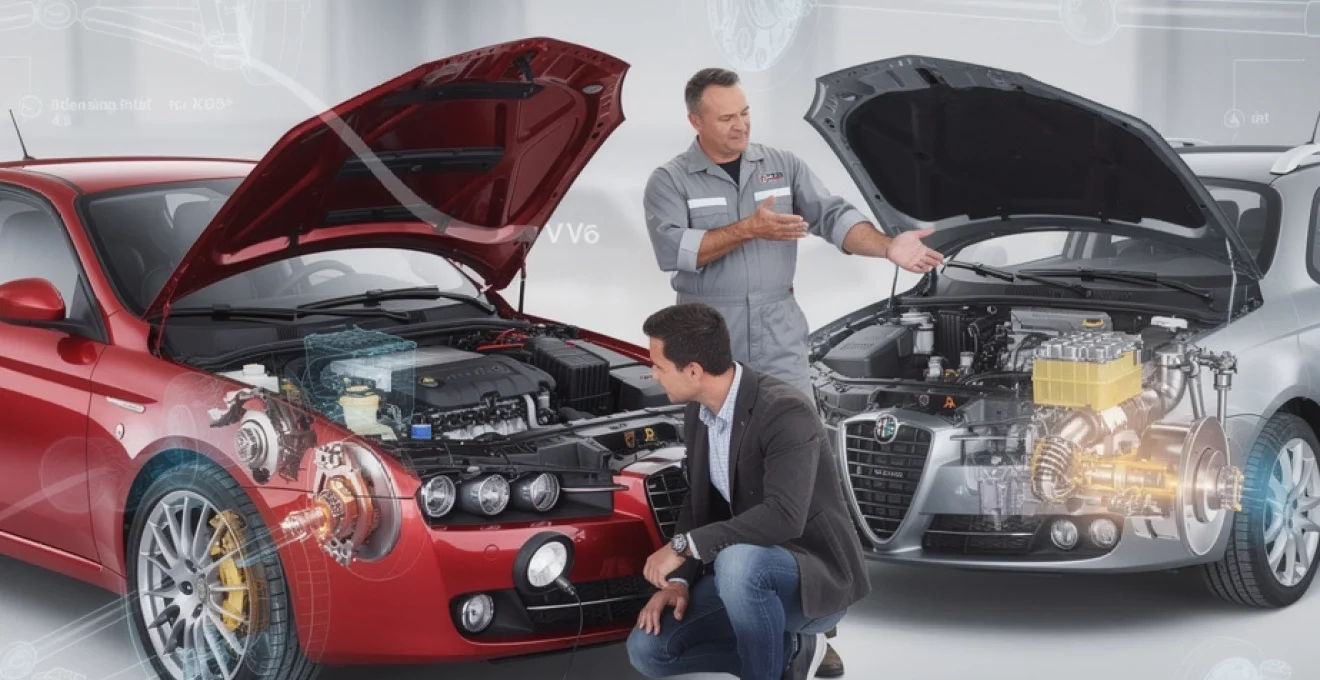
The Alfa Romeo 159 has become a modern classic in the used car market, combining striking design with solid long-distance ability and genuine character. Values in the UK have stabilised, and well-kept examples are now highly sought after by enthusiasts and commuters alike. Choosing the right engine, trim and specification can turn the 159 into a rewarding, dependable daily; a poor choice can leave you chasing warning lights and repair bills. Understanding typical wear points, known mechanical weaknesses and how the 159 drives compared with German rivals gives you a real advantage when assessing cars in the classifieds.
If you are considering a 159 as an alternative to a BMW 3 Series, Audi A4 or Mercedes C‑Class, reliable information is essential. The platform shared with the Brera and Spider brought sophisticated suspension, strong crash safety and a genuinely premium feel, but also some quirks such as front subframe corrosion and timing chain issues on early petrol engines. With the right checks and a pragmatic approach to maintenance, you can secure a stylish, comfortable and distinctive car that still turns heads 15–20 years after launch.
Alfa romeo 159 market overview: model years, engines and trim levels (2005–2011)
The Alfa Romeo 159 arrived in 2005, replacing the 156 and launching on the costly GM/Alfa Premium platform. Production continued until 2011, with the UK receiving saloon and Sportwagon body styles. Early cars (2005–2007) are dominated by 1.9 JTDm diesels and 2.2 JTS petrols; later facelifts added the acclaimed 1750 TBi engine and improved emissions control on diesels. Many cars now have six‑figure mileages, which is not a problem in itself if backed by evidence of cambelt, water pump and regular oil changes.
Trim levels start with Turismo and Turismo Sport, move through Elegante and Lusso, and culminate in the more aggressive TI. Turismo models bring cloth trim and smaller alloys (16–17 inch), while Lusso examples usually feature leather, dual‑zone climate and parking sensors. TI cars sit lower on 19‑inch wheels with Brembo brakes and sports seats, commanding a premium in the used market. Special editions such as the James Bond Limited Edition (Quantum of Solace tie‑in) are rare curios, essentially TIs with bespoke black paint and minor cosmetic tweaks.
On the petrol side, the range includes the 1.8 MPI (rare and underpowered), 1.9 and 2.2 JTS direct‑injection units, and the 3.2 JTS V6 with Q4 all‑wheel drive. Diesel engines span 1.9 JTDm 8v and 16v, 2.0 JTDm and the muscular 2.4 JTDm five‑cylinder. In real‑world UK classifieds, the sweet spot for most buyers is a 1.9 JTDm or 2.0 JTDm Lusso or TI with full service history. Petrol 1750 TBi examples are highly desirable but scarce, typically priced £1500–£2500 above equivalent diesels due to their blend of performance and lower running costs.
Chassis, suspension and steering: handling characteristics and common wear points
Front double wishbone and rear multilink suspension: bush wear, ball joints and top mounts
The 159’s front double wishbone and rear multilink suspension give it a planted, confidence‑inspiring feel, especially on the motorway. That composure comes at the price of complexity: there are multiple arms and bushes, and by 80,000–100,000 miles many original components are tired. Common symptoms include clunks over speed bumps, a dull rattle on broken B‑roads and vague turn‑in. If you feel the car wander slightly under braking or hear knocks at low speed, upper wishbone bushes or ball joints are likely culprits.
Owners often describe the 159 as “heavy on suspension”, which is accurate; think of those control arms as consumables rather than lifetime parts. Polyurethane replacement bushes sharpen response but can introduce squeaks if not greased correctly, so they suit drivers who prioritise handling over refinement. When inspecting a car, look for invoices from reputable specialists listing upper and lower arms, drop links and top mounts. A full refresh transforms the way a used 159 drives, returning that reassuringly solid yet agile feel that distinguishes it from softer rivals.
Steering rack, power steering pump and alignment issues on 1.9 JTDm and 2.4 JTDm models
The steering on a healthy 159 is precise, with decent feedback despite the car’s weight. However, diesel models, particularly 1.9 JTDm and 2.4 JTDm versions, can suffer from steering rack wear and power steering pump noise as mileage climbs. A faint whine on full lock or during cold starts can point to tired fluid or a pump beginning to fail. Slight play around the straight‑ahead or a knocking sensation through the wheel may indicate internal wear in the rack or track‑rod ends.
Geometry is critical on these cars. The relatively aggressive front setup means that incorrect alignment accelerates front tyre wear and makes the car feel like it wants to follow ruts and white lines. A four‑wheel alignment with proper 159 settings should be considered essential maintenance, especially after suspension work or pothole impacts. If you notice uneven tyre wear on the inner shoulders combined with tramlining, factor in immediate alignment and potentially new front arms when negotiating a price.
Braking system analysis: brembo four‑pot callipers, discs, ABS and ESP fault patterns
Higher‑spec TI models and some 2.4 JTDm or 3.2 JTS cars are fitted with Brembo four‑pot front callipers, delivering strong, progressive braking. These systems are robust but can suffer from sticky sliders if neglected, leading to uneven pad wear or mild steering wobble under braking. Standard single‑piston setups on lower trims are cheaper to service and still perfectly adequate for daily driving. In either case, quality discs and pads significantly influence pedal feel and stopping distances.
ABS and ESP systems are generally reliable, but ageing wheel speed sensors and corroded reluctor rings can trigger warning lights. An intermittent ABS fault that appears after rain but vanishes when dry often points to a failing sensor. Because modern stability systems rely on consistent data, a small electrical issue can temporarily disable ESP or ASR, so a pre‑purchase scan with a suitable diagnostic tool is sensible. A spongy pedal is more likely to be old fluid or a tired rear calliper than a master cylinder failure, but any car being considered should show recent brake fluid changes in its history.
Wheel and tyre setups: 16–19 inch OEM alloys, tramlining and uneven tyre wear diagnostics
Factory wheel sizes on the Alfa Romeo 159 range from 16‑inch alloys on Turismo models to 19‑inch designs on TI versions. While the 19s look superb and fill the arches perfectly, they also amplify poor road surfaces and expose suspension wear. Many owners report a more composed ride on 17‑ or 18‑inch wheels paired with quality tyres such as Michelin Pilot Sport or Goodyear Eagle F1. If you plan mainly motorway use, a slightly taller sidewall can make the car feel calmer and quieter.
The 159 has a reputation for “eating” front tyres, particularly on powerful diesel or V6 versions. Excessive inner‑edge wear in under 10,000 miles usually indicates incorrect toe settings or worn upper wishbone bushes. When viewing a car, inspect tyres carefully: uneven patterns, scalloping or heavy shoulder wear reveal a lot about suspension health. Tramlining – the sensation of the car following grooves in the tarmac – is another red flag that both alignment and bush condition need attention, so budget accordingly if the car feels nervous on uneven roads.
Petrol engines buyer’s guide: 1.8 MPI, 1.9 JTS, 2.2 JTS and 3.2 V6 (GM/Alfa “premium” platform)
1.9 JTS and 2.2 JTS direct injection: timing chain stretch, variator noise and carbon build‑up
The 1.9 and 2.2 JTS engines use direct injection and timing chains rather than cambelts, which sounds ideal on paper but introduces its own issues. Chain stretch is widely reported, especially on cars with irregular oil changes or extended service intervals. Symptoms include an illuminated engine management light, camshaft timing faults stored in the ECU and occasional rough running on cold starts. A noisy chain can produce a rattling sound from the front of the engine at idle, particularly when warm.
Variator noise – often described as a diesel‑like clatter for a few seconds after startup – is another characteristic of tired JTS units. While brief noise on very cold mornings can be normal, persistent clatter warrants investigation. Direct injection can also lead to carbon build‑up on intake valves, subtly reducing performance and increasing fuel consumption. High‑quality oil, 8–10k mile change intervals and regular motorway use help slow this process. If you are considering a JTS petrol for city driving with short trips, factor in that these engines are happiest when used regularly and allowed to reach full temperature.
3.2 JTS V6 (Holden/GM block): Q4 system, timing chain issues and cooling system weaknesses
The 3.2 JTS V6 is often mistaken for the legendary Busso engine, but in reality it is based on a Holden/GM block with Alfa‑designed heads and ancillaries. Output is strong at around 256 bhp, and most UK cars come with Q4 all‑wheel drive. The Q4 system provides excellent traction and a rear‑biased feel, but adds weight and complexity. Regular fluid changes in the rear differential and transfer case are advisable if you plan to keep the car long term.
Like the smaller JTS units, the 3.2 uses timing chains that can stretch. Replacement is more involved due to the tight engine bay and multiple chains, so quotes can be eye‑watering. Cooling system health is also critical: radiators can corrode, and thermostats tend to stick open with age, leading to slow warm‑up and poor heater performance. A V6 that never quite reaches 90°C on the gauge is likely to need a thermostat. Fuel consumption is heavy – mid‑20s mpg at best – so the 3.2 suits low‑mileage, enthusiast use rather than long‑distance commuting.
Manual vs Q‑Tronic automatic gearboxes on petrol 159s: clutch, DMF and valve body longevity
Most petrol Alfa Romeo 159s are fitted with a six‑speed manual gearbox, while the 3.2 V6 and some 2.4 JTDm models were also offered with the Aisin‑sourced Q‑Tronic automatic. Manuals provide a more engaging drive but rely on a healthy clutch and dual‑mass flywheel (DMF). On heavier V6 and diesel variants, DMFs can start to knock or judder around 80,000–100,000 miles, especially if driven aggressively in traffic. A stiff pedal or vibration when pulling away suggests clutch and DMF replacement will be needed soon.
The Q‑Tronic automatic is generally robust if serviced correctly, but lifetime fluid claims should be treated with scepticism. Fresh ATF every 40,000–50,000 miles helps protect the torque converter and valve body. Harsh shifts, delayed engagement when selecting Drive, or flaring revs between gears may point to internal wear. For mostly urban driving, the Q‑Tronic offers relaxed progress, while manual gearboxes better suit the character of the 1750 TBi and higher‑revving JTS engines.
LPG and aftermarket remapping on JTS engines: fuelling strategy, injector stress and MOT emissions
Given rising fuel prices, some UK owners convert JTS engines to run on LPG. When executed properly with a quality sequential system and professional calibration, LPG can significantly cut running costs without harming performance. However, JTS direct‑injection injectors still see use for cooling and sometimes partial fuelling, so poorly configured systems can overwork these expensive components. Regularly monitoring injector correction values with diagnostics is wise on an LPG‑converted car.
Aftermarket remapping of JTS engines tends to focus on smoothing throttle response and removing flat spots rather than chasing huge power gains. Sensible maps can improve driveability, but aggressive tuning may push the limits of standard pistons and rods, especially on high‑mileage engines. MOT emissions present another consideration: non‑standard cats or removed secondary cats can trigger P0420 catalyst efficiency codes and fail inspections. If a car claims to be tuned, request dyno printouts and detailed invoices rather than relying on vague promises of “stage 1 power”.
Diesel engines buyer’s guide: 1.9 JTDm, 2.0 JTDm and 2.4 JTDm reliability and tuning
1.9 JTDm 8v vs 16v: swirl flaps, EGR clogging, DPF regeneration and turbocharger lifespan
The 1.9 JTDm engine is the backbone of the 159 diesel range and appears in both 8‑valve and 16‑valve forms. The 8v version is simpler, with fewer swirl flaps and generally lower stress, making it a sensible choice for reliability‑focused buyers. The 16v 150 bhp unit delivers stronger performance but adds complexity in the intake manifold, where swirl flaps can seize. A stuck swirl flap can trigger limp‑home mode and a drastic loss of power, although on the 159 these flaps do not usually break off and enter the combustion chamber, unlike some rivals.
EGR valves on both 8v and 16v units are a known weak point. A stuck‑open EGR typically causes a noticeable surge in power above 3000 rpm, as the turbo finally overcomes the leak into the exhaust. Conversely, a faulty MAF sensor often produces the opposite behaviour – decent low‑end pull but no top‑end power. DPF‑equipped cars need regular motorway runs to regenerate properly; repeated short journeys lead to soot build‑up and warning lights. Turbochargers themselves are durable if oil changes are frequent, but listen for siren‑like whines or excessive smoke, which may indicate impending failure.
2.0 JTDm eco vs 170hp: intake manifold design, injector calibration and motorway economy
The later 2.0 JTDm engine, offered in lower‑output “eco” guise and a 170 hp version, improves refinement and emissions compared with the 1.9. The eco version prioritises economy and lower CO₂, ideal for high‑mileage motorway use, while the 170 hp variant delivers brisk performance without the weight of the 2.4. Both share a revised intake manifold design that tends to suffer less from swirl flap issues, particularly when maintained with quality fuel and occasional high‑load driving.
Injector calibration on the 2.0 JTDm is crucial for smooth running and good fuel economy. Rough idle, excessive diesel knock or poor hot starting can point to worn or poorly coded injectors. On a healthy engine, 50+ mpg on long runs is realistic, making the 2.0 an excellent choice for those who cover 15,000–20,000 miles per year. Servicing every 12,000 miles rather than stretching to the maximum intervals noticeably improves long‑term reliability and keeps DPF regeneration cycles under control.
2.4 JTDm five‑cylinder: head gasket stress, DPF backpressure and intercooler performance
The 2.4 JTDm five‑cylinder is the enthusiast’s diesel, delivering up to 210 bhp and a charismatic growl. It also places more thermal and mechanical stress on the cooling system and head gasket. Overheating, often triggered by neglected radiators or stuck thermostats, can eventually lead to head gasket issues. When viewing a 2.4, ensure the temperature needle sits rock‑steady once warm and that the radiator fans cut in correctly in traffic.
The DPF on 2.4 models can struggle if the car is used mainly for short trips. Excessive backpressure from a clogged DPF raises exhaust gas temperature and can accelerate wear on the turbo and manifold. Intercooler performance is another factor: cracked or leaking intercoolers cause loss of boost, smoky exhausts and reduced power. A smooth, linear pull from 1500 to 4000 rpm indicates a healthy system; flat spots or sudden surges suggest air leaks, sticking swirl flaps or fuelling issues that need further investigation.
Remapping JTDm engines: clutch and DMF tolerance, boost control and gearbox torque limits
Remapping JTDm engines is popular, with many 1.9 and 2.0 cars taken from around 150 bhp to 180–190 bhp and a significant torque increase. When done by a reputable tuner using conservative boost and fuelling targets, these maps can feel OEM‑like and improve drivability. However, the standard clutch and DMF are often the weak points. A mapped 1.9 JTDm that produces more than 320–330 Nm may start to slip the clutch in higher gears, particularly on cold, damp mornings.
Gearboxes also have realistic torque limits. The commonly used M32 six‑speed is known for bearing issues when abused or subjected to very high torque. Any potential purchase claiming big power must be tested carefully in higher gears for bearing whine or notchiness. A subtle, rising‑and‑falling whine in 5th and 6th that changes with throttle input suggests imminent bearing work. For daily use, a modest “stage 1” map combined with meticulous oil changes and warm‑up discipline usually offers the best balance between fun and longevity.
Bodywork, corrosion hotspots and structural integrity on saloon vs sportwagon
The Alfa Romeo 159’s body shell is impressively stiff, contributing to its solid feel and good crash performance. However, age has exposed one major weakness: front subframe corrosion. On many cars, especially those used year‑round in the UK, the subframe develops significant rust, sometimes even perforation serious enough to fail an MOT. Water and road salt collect around the areas covered by the plastic undertray, trapping moisture against bare metal. A thorough inspection under the front of the car, torch in hand, is essential; fresh, uneven black paint or thick underseal can sometimes conceal poor repairs.
Beyond the subframe, general floorpan corrosion is less severe than on some contemporaries, but still worth checking, particularly around jacking points and rear suspension mounts. Sportwagon and saloon shells share almost identical front structures, so corrosion patterns are broadly the same. The Sportwagon adds practicality and a slightly different rear load area, but rust tendencies do not differ dramatically. Rear tailgate seals should be checked for water ingress, which can lead to damp carpets and hidden electrical issues. Door bottoms, window surrounds and wheelarches typically hold up well if stone chips have been addressed promptly.
Interior, electrics and infotainment: Blue&Me, climate control and CAN‑bus diagnostics
The 159’s cabin remains a highlight, with deeply cowled instruments and a driver‑focused dash that still looks distinctive next to more generic rivals. Materials in Lusso and TI models feel genuinely premium, though high‑mileage cars may show worn driver’s seat bolsters and shiny steering wheels. The rear seats split 60/40, and Sportwagon models offer a generous boot with optional rails and dividers. Electric seat mechanisms tend to be durable, but any hesitation or grinding noises should be investigated promptly to avoid complete failure.
On the electronics front, the Blue&Me infotainment and Bluetooth system feels dated by modern standards, but usually works reliably if the battery and charging system are healthy. Random warning lights, odd gauge behaviour or intermittent starting can often be traced to low battery voltage or poor earth connections rather than catastrophic faults. The CAN‑bus architecture makes a good diagnostic scanner invaluable; reading stored codes from modules such as Body Computer, ABS and Engine ECU paints a far clearer picture than relying on dashboard lamps alone. Rear window regulators are another recurring weak spot, often seizing simply because they are rarely used, so it is worth cycling all windows during a test drive to confirm smooth operation.
Pre‑purchase inspection checklist and price valuation for used alfa romeo 159 in the UK
A systematic inspection gives you the best chance of buying a good Alfa Romeo 159 at the right price. Start with paperwork: full service history with evidence of cambelt and water pump changes on belt‑driven engines (typically every 60,000 miles or 5 years) is non‑negotiable. For JTS petrols, look for invoices confirming high‑quality oil used at sensible intervals, not the maximum stretched schedules. MOT history checks online can reveal recurring advisories for corrosion, brake imbalance or tyre wear, all of which reflect how the car has been maintained.
| Price band (UK) | Typical spec | Mileage range |
|---|---|---|
| £1500–£2500 | 2006–2007 1.9 JTDm / 2.2 JTS Turismo or Lusso | 120k–150k miles |
| £2500–£4000 | 2007–2009 1.9 JTDm Lusso / some TI | 90k–130k miles |
| £4000–£5500 | 2009–2011 1.9 & 2.0 JTDm Lusso / TI | 70k–110k miles |
| £5500–£8000+ | Late 2.0 JTDm, 1750 TBi, rare 3.2 Q4 | 60k–90k miles |
During the road test, pay attention to how the engine pulls across the rev range, whether the clutch engages smoothly and if any gearbox whine appears in higher gears. A healthy diesel should deliver linear power without sudden spikes or dead spots; any surge only above 3000 rpm hints at EGR or boost leaks. Steering should feel consistent, with no drifting or vibration at motorway speeds. Apply firm braking from 60–70 mph on a clear road to check for judder, pulling or ABS warnings. Use this opportunity to listen for suspension knocks and to assess general refinement; a well‑cared‑for 159 still feels solid and composed.
Interior checks include ensuring all electrical items function: windows, mirrors, heated seats, air conditioning, parking sensors and steering‑wheel controls. Climate control should blow cold quickly and adjust temperature correctly, indicating a healthy compressor and intact blend doors. Inspect the boot for signs of water ingress, particularly around the spare wheel well and Sportwagon tailgate. Finally, go back underneath with a torch after the test drive to check for fresh leaks, and to reassess that critical front subframe once everything is hot. A car that passes these checks, backed by strong history, is far more likely to provide the reliable, characterful ownership experience that draws so many drivers to the Alfa Romeo 159 in the first place.