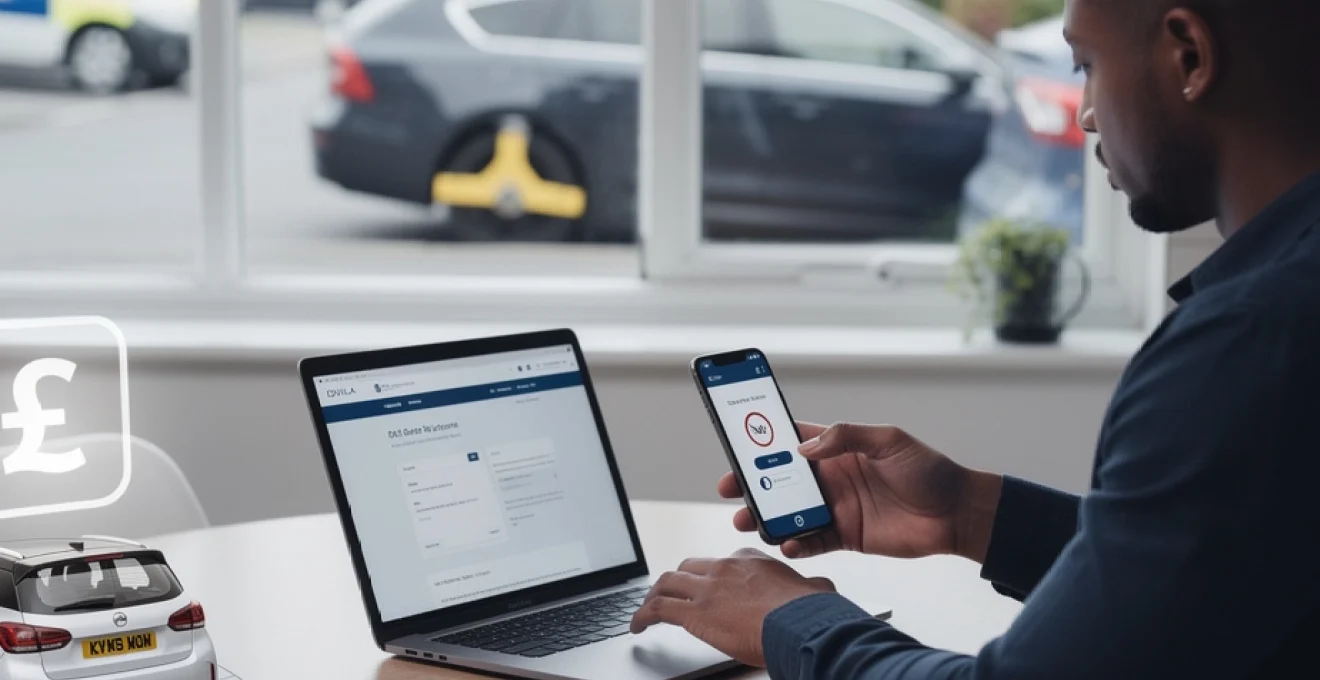
Road tax in the UK has become almost completely automated, with millions of drivers paying Vehicle Excise Duty (VED) by Direct Debit each month. That convenience can turn into a problem if you sell your car, declare it off the road or switch vehicles and forget to stop the payments. Cancel too early and you risk driving an untaxed vehicle; cancel too late and you lose money you could have reclaimed. Understanding exactly how DVLA links VED, Direct Debits and your legal responsibilities helps you avoid fines, clamps and unnecessary stress, especially now that enforcement is driven by real‑time databases and ANPR cameras rather than paper tax discs.
Key DVLA rules on cancelling road tax direct debit in the UK (vehicle excise duty)
Understanding vehicle excise duty (VED) liability and SORN before cancelling a direct debit
Vehicle Excise Duty, often called road tax or car tax, is a legal obligation attached to the vehicle, not to you personally. In simple terms, if the car is kept or used on a public road, it must either be taxed or declared off the road using a Statutory Off Road Notification, better known as SORN. DVLA’s records assume continuous taxation unless a valid SORN or disposal event is logged, which is why blindly cancelling a VED Direct Debit can trigger enforcement.
Statistics from DVLA show that hundreds of thousands of enforcement actions are taken every year for untaxed vehicles, with fixed penalties of up to £1,000 and potential clamping or impound. If you still own the car and it is not on SORN, cancelling payments through your bank does not cancel the underlying tax liability. The legal position is similar to cancelling a gym membership Direct Debit without terminating the contract: the payments may stop, but the obligation remains.
Before touching the Direct Debit, you should be clear whether the car will be kept on the road, stored off‑road, sold or scrapped. If you plan to keep using it, the correct route is to change the frequency of payment or payment method via GOV.UK, not to end the mandate entirely. If the car is going into storage, arranging SORN first protects you from Continuous Insurance Enforcement checks and proves the car no longer needs to be taxed.
How DVLA collects road tax by direct debit through GOV.UK and automated renewal
Most modern VED Direct Debits are set up when you tax the vehicle on GOV.UK using your V5C log book or V11 reminder. You choose a payment schedule – monthly, six‑monthly or annually – and authorise the mandate from a current account with sufficient funds. DVLA then automatically renews the car tax at the end of each paid period, so you no longer receive a paper disc or reminder you can display.
Payments are normally taken on the first working day of the month, and for monthly schedules this happens every month until you or DVLA cancel the tax. DVLA does not allow custom payment dates, and this fixed timing matters when you are trying to synchronise sale dates, SORN declarations and refunds. Direct Debits are protected by the Direct Debit Guarantee, so any payment taken in error can be reclaimed, but that protection is not a shortcut for ignoring tax rules.
Automated renewal is convenient, yet it also means you must be proactive at key life events for the vehicle: resale, export, scrappage or insurance write‑off. The system assumes continuity unless told otherwise, and the database feeds straight into ANPR cameras used by police forces and local authorities. From a compliance perspective, the Direct Debit is only the payment mechanism; the real control lies in DVLA’s record of whether the vehicle is taxed, SORN or disposed of.
When you can legally cancel a DVLA direct debit without incurring penalties or arrears
The safest moment to cancel a road tax Direct Debit is after DVLA has recorded a qualifying event that ends your liability. These events include selling or transferring the vehicle, declaring SORN, scrapping it, confirming it has been written off by your insurer, marking it as exported or registering it as tax‑exempt (for example, historic vehicles over 40 years old or qualifying disabled use). Once DVLA processes any of these, the VED is cancelled and any Direct Debit is terminated automatically.
If you cancel the mandate with your bank before DVLA has this information, the vehicle remains liable for tax. In that scenario, you must either re‑tax the vehicle immediately by card or new Direct Debit, or take it off the road and submit SORN. Continuing to keep or use the car without valid tax can be picked up quickly through Continuous Insurance Enforcement checks and random roadside scans.
A good rule of thumb is simple: confirm that DVLA shows the vehicle as sold, SORN or otherwise exempt before treating any Direct Debit cancellation as final. For many drivers, the easiest path is to notify DVLA of sale or SORN online using the V5C details and then allow the department to cancel the mandate and calculate any refund without separate action at the bank side.
How mid-month cancellation affects your tax period, proration and refund eligibility
One of the most important details for anyone cancelling road tax is that DVLA refunds only full months of unused tax. There is no proration for part‑months. If you sell a car on the 20th of the month, the current month is considered used, and the refund calculation starts from the next calendar month. That rule applies regardless of payment method, including annual, six‑month and monthly VED Direct Debit.
For monthly Direct Debits, cancelling mid‑month does not generate a refund. Instead, DVLA will stop future collections and close the tax from the end of the current month once the underlying event (such as sale or SORN) is recorded. If you cancel the Direct Debit just before a scheduled collection date, DVLA may still claim the payment, but you would ordinarily receive an automatic cheque refund within around 10 working days where appropriate.
Refunds are always issued by cheque to the name and address on the V5C log book, not back to the bank account that funded the Direct Debit. Official guidance indicates a typical processing time of up to six weeks, although many motorists receive funds sooner. For cars taxed for the first time in the current registration year, the refund is based on the lower of the first‑year rate and the standard rate from the second year onward, which can be relevant for higher‑emission vehicles registered after recent VED band changes.
Step-by-step process to cancel your road tax direct debit with your bank or building society
Using online and mobile banking to cancel a DVLA direct debit with banks like HSBC, barclays, NatWest and monzo
Most major UK banks allow you to cancel a DVLA Direct Debit in just a few taps via online or mobile banking. The mandate will usually appear under the reference DVLA VEHICLE TAX or similar, alongside the payment frequency and date. From a banking perspective, cancelling a Direct Debit is straightforward and, under the Direct Debit Guarantee, can take effect immediately.
However, convenience at the app level should not override the legal need to keep the vehicle taxed or on SORN. Before hitting “cancel”, you should already have notified DVLA of sale, SORN, export or scrappage, particularly if you plan to keep using the car until the end of the month. Many banks advise cancelling at least one working day before the next scheduled collection to guarantee it is not taken; DVLA, in contrast, emphasises that tax continues until the department updates its records, regardless of bank‑side actions.
In practice, using digital banking is most useful when you are certain DVLA has ended the tax but payments are still appearing on your list of active mandates. Around two thirds of UK current account holders now manage their Direct Debits digitally, so treating the DVLA entry like a subscription – checked at least once a year or at every vehicle change – is a practical habit that helps you spot anomalies quickly.
Telephone and in-branch direct debit cancellation with lloyds, santander and nationwide
If you prefer not to rely on apps, every bank and building society still supports Direct Debit cancellation by phone or in branch. This can be particularly useful if you have multiple DVLA mandates due to changing vehicles, or if you are unsure which reference relates to the car you have sold. Branch staff can search by reference, date and amount to identify the correct mandate, then stop it under the standard guarantee rules.
Telephone banking offers similar control, with identity checks by security questions or voice recognition. Many providers state that a Direct Debit cancelled by phone or in branch is effective immediately, although a payment due the same day might still be processed if already in the system. From a risk perspective, combining a bank‑side cancellation with written or digital proof of DVLA sale notification or SORN gives you the strongest position if any disputes or unexpected charges arise later.
For some customers, especially those managing multiple vehicles or corporate accounts, speaking to an adviser also creates an audit trail in call logs. That can help demonstrate that reasonable steps were taken to stop payments if a subsequent claim from DVLA appears unexpectedly. Even so, the ultimate test remains DVLA’s record of the vehicle’s status, not the existence or absence of a Direct Debit mandate.
Applying the direct debit guarantee when cancelling payments taken in error
The Direct Debit Guarantee is a powerful consumer protection that applies equally to DVLA payments. It states that if a Direct Debit is taken in error, or on the wrong date or amount, you are entitled to an immediate refund from your bank or building society. That refund should be provided on the spot for most retail banks, without requiring you to first contact DVLA.
If a DVLA Direct Debit is collected after tax has been cancelled, the Direct Debit Guarantee allows you to reclaim the money straight from your bank, usually on the same day.
Common scenarios include payments taken after you have sold the vehicle and informed DVLA, unexpected collections following a SORN declaration, or duplicate mandates created during a system change. While these are relatively rare compared with the volume of live Direct Debits, they do occur, particularly when payment systems are updated or when a V5C address is changed at the same time as a disposal event.
Using the Guarantee does not alter your underlying tax liability. If DVLA’s database later shows the vehicle was still in your name and on the road during that period, the department can still pursue unpaid VED. The Guarantee is best viewed as a safety net for administrative errors, not as a tool to reverse legitimate payments for a vehicle that should, in law, have been taxed.
Verifying that the DVLA direct debit mandate has been fully cancelled on your account
After selling, scrapping or exporting a vehicle, it is sensible to verify that the DVLA mandate has definitely been closed on your current account. In most online banking systems, cancelled Direct Debits move from the “active” section to a list of “cancelled” or “historic” mandates. The reference will usually remain visible for at least 13 months, supporting future queries or disputes.
You can also cross‑check against DVLA’s online vehicle tax status checker, which shows whether a vehicle is currently taxed or on SORN. If the checker shows the vehicle as “untaxed” but not on SORN, and you still appear as the registered keeper, any Direct Debit cancellation at the bank side may leave you exposed to enforcement. Treat this as a warning sign that your disposal or SORN notification might not have been processed.
From a record‑keeping standpoint, retaining screenshots or PDF statements showing the final Direct Debit collection and the subsequent cancellation provides robust evidence. This can be valuable if a refund cheque fails to arrive and you later need to demonstrate dates to DVLA. Given that refunds can take several weeks, having a clear personal timeline helps resolve any discrepancies more quickly.
Cancelling road tax direct debit after selling, scrapping or transferring your vehicle
Using the V5C log book and DVLA online service to notify sale or transfer before cancelling direct debit
When you sell or transfer a car, the first priority is updating DVLA’s register using the V5C log book. The 11‑digit reference number in the log book links the vehicle to you as the registered keeper; until DVLA receives details of the new keeper, liability for VED and statutory notices still points in your direction. That is why cancelling a Direct Debit alone is never enough.
For private sales or transfers, you either complete the relevant sections of the V5C and post them to DVLA or, more efficiently, use the GOV.UK online service to report the sale. The online route updates records almost instantly and triggers automatic cancellation of tax and the associated Direct Debit. A refund cheque for any remaining full months is then sent to the name and address on the V5C.
If the buyer is a motor trader, the yellow “sell, transfer or part‑exchange your vehicle to the motor trade” slip on the V5C should be used. This confirms that the vehicle has moved into trade stock, and the responsibility for re‑taxing it passes to the next private keeper or business user. Again, once DVLA processes that update, any active Direct Debit is cancelled automatically, so in many cases you do not need to contact your bank at all.
Declaring statutory off road notification (SORN) and synchronising it with direct debit cancellation
If you are taking a car off the road rather than selling it, the correct process is to submit a SORN to DVLA. A SORN means the car cannot be driven or kept on a public road, but it also means you no longer need to pay VED or keep the vehicle insured under Continuous Insurance Enforcement rules. The SORN takes effect immediately if the vehicle is currently untaxed, or from the start of the next month if it is taxed.
Once the SORN is in place, DVLA will cancel any existing tax and stop Direct Debit collections. You will receive a refund for any full months left on the current tax period, again by cheque. It is risky to pre‑empt this by cancelling the Direct Debit with your bank first; until DVLA’s system shows the SORN, the vehicle is still expected to be taxed.
SORN is particularly useful if you are carrying out long‑term repairs, storing a classic car or waiting for a buyer while the vehicle sits on private land. Think of SORN as the formal “pause button” for both tax and insurance expectations. Once you decide to use the car on public roads again, you must tax it before driving, either online or at a Post Office that offers vehicle tax services.
Requesting a road tax refund from DVLA after sale, export or insurance write‑off
DVLA refunds are automatic when a qualifying event is processed, so there is no separate application form to cancel car tax and request money back. The refund covers full months of unused vehicle tax from the date DVLA receives your information about sale, SORN, export, scrappage or write‑off. For example, if a vehicle is written off and the insurer notifies DVLA on the 5th of the month, the refund calculation starts from the next month.
Official data suggests that millions of pounds of VED are refunded each year through this mechanism, yet some motorists still miss out because their V5C details are out of date or disposal notifications are delayed. If more than eight weeks pass without receiving a cheque, you can contact DVLA by phone, online message or post to chase the refund. Ensure that your address on the log book is correct, as cheques are not redirected automatically by Royal Mail.
Refunds do not cover any credit card handling fees, the 5% surcharge on some Direct Debit schedules or the 10% surcharge associated with paying for six months of tax in a single one‑off payment. Those extras are treated as charges for the chosen payment method rather than part of the tax itself. When planning a sale date, aligning it with the end of a calendar month maximises the refund value, especially on higher‑priced VED bands.
Special procedures for vehicles sold to motor traders or scrapped via an authorised treatment facility
For vehicles sold to motor traders, the key difference is that the car is usually not re‑taxed until it is sold on to a new private keeper. Using the trader section of the V5C ensures the tax is cancelled promptly and the car is recorded as in the motor trade. Any Direct Debit in your name will then stop automatically, and the trader assumes responsibility for keeping the vehicle off public roads unless properly taxed.
When a car is scrapped, the process must go through an Authorised Treatment Facility (ATF). These facilities are licensed to dismantle and recycle vehicles safely and issue a Certificate of Destruction. Once DVLA receives confirmation from the ATF, the vehicle is marked as scrapped, tax is cancelled and any ongoing Direct Debit ends. You may still wish to double‑check your bank to confirm that no further payments are scheduled.
Using an ATF or recognised motor trader creates a clear digital trail to DVLA, which greatly reduces the risk of future tax demands or enforcement letters for a vehicle that no longer exists or is no longer in your possession.
In both cases, keeping copies of receipts, Certificates of Destruction and any DVLA confirmation letters offers additional peace of mind. If, months later, a reminder or penalty notice arrives for that registration, those documents become crucial evidence when challenging the enforcement action and proving the date your liability ended.
Handling failed road tax direct debit payments, arrears and enforcement risks
What happens when a DVLA direct debit fails due to insufficient funds or a cancelled mandate
A failed Direct Debit for road tax is more than a minor banking hiccup; it can leave your vehicle untaxed and immediately at risk of enforcement. If a payment bounces because of insufficient funds, DVLA may attempt a re‑collection or issue a notice advising that the vehicle is no longer taxed. If the mandate has been cancelled entirely, there is usually no attempt to re‑collect, and the tax simply lapses.
The Continuous Insurance Enforcement regime links DVLA’s vehicle records with the Motor Insurance Database, so an untaxed car that remains insured is quickly identified for follow‑up. Around 98% of UK vehicles are now captured in real‑time checks using ANPR cameras, DVLA data and insurer feeds. Treat any letter about a failed or cancelled VED Direct Debit as urgent, as driving an untaxed car can attract fixed penalties and potential court action.
If you still own and use the vehicle, the correct response to a failed payment is to retax it immediately on GOV.UK or at a participating Post Office. Paying by debit or credit card can restore tax coverage from the start of the current month, closing the gap. Leaving the issue unresolved in the hope that enforcement will not catch up is increasingly unrealistic in a data‑driven system.
DVLA enforcement: fines, clamp and impound powers under continuous insurance enforcement (CIE)
DVLA now relies heavily on digital enforcement rather than roadside stops. Under Continuous Insurance Enforcement and continuous taxation rules, the department can issue automatic penalties if a vehicle appears on the road network without valid tax. The standard out‑of‑court settlement for using or keeping an untaxed vehicle is £80, reduced to £40 if paid promptly, but more serious cases can lead to fines of up to £1,000.
Beyond financial penalties, enforcement partners can clamp or impound vehicles found on public roads without tax. Release fees and storage charges can quickly exceed the original VED owed, creating a disproportionate cost for what started as a missed Direct Debit. From a risk‑management perspective, keeping VED status and payment details aligned is far cheaper than dealing with the fallout from enforcement.
Automatic checks run monthly against DVLA’s database, and ANPR cameras deployed by police and local authorities operate 24/7. That combination means relying on luck is, statistically, a poor strategy. One professional observation is that many enforcement cases started as small administrative oversights related to address changes or forgotten SORN renewals, which could have been avoided with simple reminders and timely online updates.
Reinstating road tax after an unpaid direct debit and avoiding gaps in tax coverage
If your DVLA Direct Debit has failed or been cancelled and the car is still in use, reinstating road tax should be treated as a priority. The quickest method is to visit GOV.UK with your registration number and V5C reference, select the appropriate tax band and pay using a debit card, credit card or new Direct Debit mandate. Tax usually becomes valid immediately from the start of the current month, although you should always check the confirmation screen or email for exact dates.
To avoid future gaps, consider setting up alerts in your banking app or calendar around the first working day of each month, especially if cash flow is tight. Treat the VED Direct Debit like a utility bill, not a discretionary subscription. For some drivers, switching to annual payment by card can also help, as it concentrates the cost into a single known date rather than relying on monthly balances.
From a legal standpoint, there is no “grace period” for driving without tax because a payment recently failed. If ANPR cameras detect an untaxed vehicle on the 2nd of the month, enforcement can follow even if the missed Direct Debit was only the day before. The safest approach is to avoid driving until you have explicit confirmation that tax has been restored.
Appealing penalties and using evidence of sale, SORN or export to challenge enforcement
Sometimes penalties are issued even though you have acted correctly, for example when a sale notification, SORN declaration or export form has not yet been processed by DVLA. In these cases, appealing the penalty is both possible and reasonable. The strongest appeals are backed by clear documentary evidence, such as dated sales invoices, SORN confirmation emails, shipping paperwork or Certificates of Destruction.
Successful appeals against DVLA penalties usually depend on showing that liability ended before the alleged offence, backed up with clear dates, documents and, where possible, digital confirmation from GOV.UK services.
When challenging a penalty, it is sensible to quote reference numbers from any online transactions with DVLA and to confirm that your registered keeper address was up to date at the time of the alleged offence. If the car had already left your possession, proof of handover and payment from the buyer can significantly strengthen your case. For exports, bills of lading or customs declarations help show when the vehicle physically left the UK.
While not every appeal succeeds, DVLA does recognise genuine errors, especially when its own processing delays or postal issues are involved. A professional observation here is that well‑organised paperwork and prompt communication almost always lead to better outcomes than vague claims made months after an event, when memories and records are incomplete.
Switching from direct debit to alternative road tax payment methods
Paying road tax online via GOV.UK using debit card, credit card or one‑off bank payment
If Direct Debit no longer suits your financial planning, switching to one‑off payments is straightforward. The GOV.UK vehicle tax service allows you to pay VED using a debit card, credit card or supported one‑off bank payment each time you tax or renew. This approach removes the need to manage a continuous Direct Debit, but it also places more responsibility on you to remember renewal dates.
One advantage of card payments is the immediate confirmation and clear transaction record on your bank statement, which can help when tracking running costs for budgeting or business purposes. For some drivers, especially those who change cars frequently or are concerned about Direct Debits for vehicles they no longer own, a card‑based approach offers greater perceived control.
However, paying annually by card concentrates the cost into a single lump sum, which not every household prefers. Industry surveys suggest that around 40% of UK drivers still choose annual payments to secure a small discount over monthly Direct Debit, while others accept the slightly higher cost in exchange for smoother monthly cash flow. Ultimately, the right choice depends on your budgeting style and your tolerance for managing renewal reminders manually.
Using post office branches to tax your vehicle without setting up a direct debit
For those who prefer face‑to‑face service, many Post Office branches still offer vehicle tax services on behalf of DVLA. You typically need your V5C log book, a valid MOT certificate where applicable and proof of insurance. Payment can usually be made by cash, debit card or credit card, and you can choose between six‑month and annual tax periods in most cases.
Taxing at a Post Office has the advantage of human checks: staff can confirm that your documents are in order and that the correct tax band and amount are being applied. This can be reassuring if your car has moved into a different emissions band or historic tax class. Once paid, the tax status updates in DVLA’s database, even though you do not receive a physical disc.
From a strategic perspective, Post Office taxation is often chosen by drivers who do not use online banking or who have limited internet access. It also suits those managing vehicles for older relatives or for community groups, where face‑to‑face verification feels safer. The trade‑off is the need to visit during opening hours and the risk of queues at busy times, especially around the end of the month.
Choosing between annual, six-month and monthly road tax payment schedules
VED can be paid annually, every six months or monthly by Direct Debit, although the latter two options usually include a small surcharge. For example, six‑month and monthly schedules often attract an effective 5–10% additional cost over paying for a full year upfront. When choosing a schedule, it helps to look beyond the headline price and consider your broader cash‑flow pattern.
| Payment schedule | Typical cost impact | Cash-flow profile |
|---|---|---|
| Annual (card or Direct Debit) | Lowest overall cost | One large payment per year |
| Six‑month (card or Direct Debit) | Approx. 5–10% surcharge | Two medium payments per year |
| Monthly Direct Debit | Similar surcharge to six‑month | 12 smaller payments per year |
If you tend to keep cars for many years and have stable income, annual payment often makes the most financial sense. If your situation is more fluid, or you expect to change vehicles within the year, monthly Direct Debit can be more flexible, albeit at slightly higher cost. In all cases, selling the vehicle or declaring SORN part‑way through a year leads to refunds for unused full months, irrespective of the schedule chosen.
Aligning your payment method with MOT expiry, insurance renewal and fleet management cycles
A more advanced strategy is to align VED payments with other key motoring dates such as MOT expiry, insurance renewal or lease contract anniversaries. Treat the combination like a set of gears: when MOT, insurance and VED all move together, it becomes easier to manage compliance and budgeting. Some fleet managers deliberately set all renewal dates within a particular quarter to simplify internal processes.
For private drivers, synchronising VED with MOT can act as a practical reminder: if you know the MOT expires in March, arranging VED renewal for the same month ensures you review the vehicle’s legal status in one go. Similarly, aligning with insurance renewal can prompt a holistic review of running costs, including whether the existing payment method for tax still suits your circumstances.
This kind of alignment is most easily achieved when first registering or retaxing a vehicle after a purchase, but you can also “reset” patterns by declaring SORN for a period and then retaxing from a different month. It requires some planning, yet it can pay off in reduced admin and a clearer mental model of your vehicle’s legal obligations across the year.
Special cases: company cars, leased vehicles and motability road tax direct debits
Cancelling road tax direct debit on salary sacrifice and company cars managed by fleet providers
Company cars and salary sacrifice vehicles are usually taxed and insured by the employer or a contracted fleet management provider. In these arrangements, the DVLA Direct Debit often sits in the name of the business or fleet company, not the employee using the vehicle. If you leave a job or return a company car, you normally have no direct role in cancelling the VED Direct Debit.
However, you still have an interest in ensuring the vehicle is removed from your personal association. Confirm with HR or the fleet manager that the car has been collected, logged as returned and, where relevant, reallocated or de‑registered. If you receive any DVLA correspondence for a company car at your home address, raise it immediately; it can indicate that your details remain incorrectly listed as the registered keeper.
From the business side, professional fleet operators increasingly use integrated systems that track VED expiry, MOT dates and insurance in a single dashboard. Industry conferences in recent years have highlighted how digital fleet tools reduce the risk of a vehicle slipping through the net when staff change or leases end. In such environments, VED Direct Debit cancellations are usually automated when a vehicle is defleeted.
Direct debit arrangements for contract hire and PCP agreements with providers like lex autolease or arval
With personal contract hire and many PCP (Personal Contract Purchase) agreements, the finance provider or leasing company often includes road tax within the monthly rental. Lex Autolease, Arval and similar providers typically remain the registered keeper with DVLA, even though you are the day‑to‑day user. As a result, any Direct Debit for VED is controlled by the leasing company, not by you.
If your lease includes road tax, there is usually no need – and no ability – to cancel a DVLA Direct Debit directly. When the contract ends and the vehicle is collected, the leasing provider will manage the tax status and dispose of or reassign the car as part of its internal processes. Your responsibility is to return the vehicle in line with the contract and ensure your own payments to the leasing firm are up to date.
On some PCP deals, especially where you become the registered keeper after paying an optional final balloon payment, the responsibility for VED can shift midway through the vehicle’s life. In such cases, you may move from an arrangement where tax is included to one where you must tax the car yourself via GOV.UK and possibly set up a new Direct Debit. Being clear about the timing of that change avoids accidental gaps in tax coverage at the transition point.
How road tax and direct debit are managed on motability scheme vehicles and who must cancel
Motability Scheme vehicles operate under a distinct model. The scheme, funded by disability benefits, generally takes care of road tax and insurance centrally. In many cases, the vehicle is automatically exempt or taxed under special rules, and the Motability organisation manages any Direct Debits or interactions with DVLA. The disabled user therefore does not normally need to worry about cancelling VED Direct Debits directly.
When a Motability lease ends or a vehicle is swapped, Motability and its partner dealers arrange collection, disposal or reassignment. Behind the scenes, they handle any change of keeper, SORN or scrappage notification with DVLA. If you use a Motability car and move house, notifying Motability and updating DVLA where appropriate helps ensure tax documents and any statutory notices are directed correctly.
In rare situations where a Motability vehicle is adapted and later purchased outright from the scheme, responsibility for VED moves to the new private owner. At that point, you may need to tax the car personally for the first time, decide whether to use Direct Debit and take on the usual obligations for cancelling road tax if the vehicle is later sold or stored off the road.
Transferring responsibility when changing registered keeper from business to private owner
When a vehicle moves from business ownership to a private keeper – for example, when buying an ex‑company car – the change of keeper recorded on the V5C is the critical trigger for shifting VED responsibility. The business or leasing company should cancel its tax and any existing Direct Debit once DVLA records the sale, and the new private keeper must tax the vehicle immediately before using it on public roads.
For the new owner, this often means taxing the car online on the day of purchase using the green “new keeper” slip from the V5C and paying by card or setting up a fresh Direct Debit. Any previous Direct Debit linked to the business account will not carry over automatically. Treat this transition as similar to moving a utility bill into your own name when buying a property: responsibility changes completely, even if the service itself continues seamlessly.
From the seller’s perspective, documenting the exact date and time of handover and retaining a signed invoice or receipt provides protection if DVLA records or enforcement actions later conflict with the real‑world timeline. This evidence can be crucial in showing when liability for both VED and any associated Direct Debit payments truly transferred from business to private owner.